Monthly Update (September 2026):
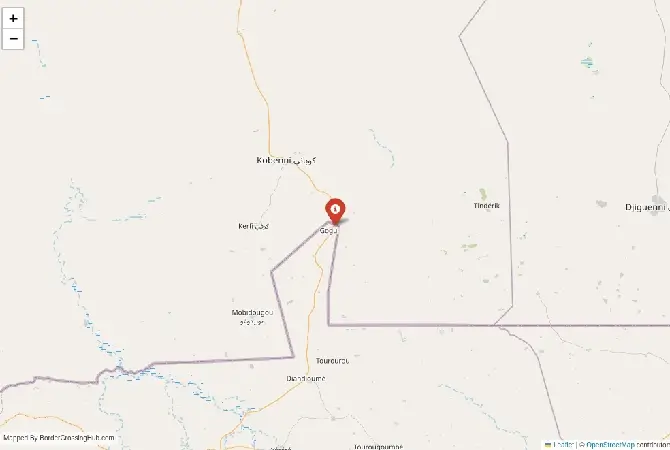
Aïmé Msira & Nioro du Sahel remains a sensitive Mauritania-Mali frontier route with no significant September reopening identified. Mauritanian authorities and regional monitoring organisations continue to report security-related restrictions on cross-border movement, including the suspension of transhumance between Mauritania and Mali. Current Mauritanian travel guidance also advises against all travel within 25 km of the Mali border because of increased terrorist and organised-crime activity. This is therefore not a route where travelers should expect predictable tourist-style border operations.
About this crossing
Aïmé Msira serves as the Mauritanian border post in a remote desert savanna zone. Nioro du Sahel lies on the Malian side as an important cultural and transit town. The posts sit a short distance apart with a basic no man's land section in between. From Mauritanian towns like Néma the approach takes several hours along improving roads. Once across you reach Nioro du Sahel quickly and continue eastward or southward. The landscape features flat arid plains scattered trees and seasonal grazing lands that turn greener during rains but remain harsh most of the year.
Historical Background
This border area has long supported trade and herder movements between the two countries with communities crossing for livestock markets and family ties. Nioro du Sahel holds special religious importance as a center of the Tijaniyya Sufi brotherhood attracting pilgrims from across West Africa.
Nearby Border Crossings



The zone stayed relatively calm for years but faced growing pressure from regional instability. Cross border herding and small trade continued even as security concerns rose in western Mali. In recent years the crossing has seen reduced activity due to attacks and restrictions while still functioning as a vital supply link for goods moving toward Bamako.
Current Security Situation
Security remains tense along this corridor with jihadist groups active in western Mali. JNIM forces have launched attacks on military positions near Nioro du Sahel and imposed blockades on roads and fuel supplies disrupting trade with Mauritania.
Malian forces conduct operations in the area sometimes leading to incidents that spill close to the border. Mauritania has tightened controls in response with requirements for prior permission for some crossings and increased patrols. Occasional clashes or incursions have strained relations though the border post itself stays operational under heavy military oversight. Travelers must monitor updates closely as blockades or heightened alerts can close routes temporarily.
Crossing Procedures
You complete exit formalities on the Mauritanian side at Aïmé Msira before entering Mali at the Nioro du Sahel area post. Officials on both sides check passports stamp documents and may inspect bags or vehicles.
Foreign visitors need a valid passport. Mauritania requires an eVisa for most nationalities while Mali has its own visa rules depending on your country of origin. Many ECOWAS citizens benefit from simplified procedures but security checks add layers. Yellow fever vaccination proof is requested. Expect questions ## About your travel purpose and possible thorough searches due to the regional situation. Have small amounts of local currency ready for any minor official fees and ask for receipts.
Facilities stay basic with separate buildings and military presence at both posts. Keep all papers organized to move through the steps without unnecessary hold ups.
Wait Times and Seasonal Factors
The full process often takes one to three hours or longer depending on traffic and security levels. Early morning arrivals sometimes see quicker movement before commercial vehicles build up. Afternoons or days following incidents bring extended waits with extra checks.
Rainy season from June to September can affect unpaved approach roads with mud slowing vehicles and indirectly lengthening queues. Dry months bring dust and heat but more consistent flow overall. Military convoys or alerts near Nioro du Sahel add time as you align with escorted movements. Travelers report clearing in under two hours when prepared while others face full day delays during heightened security periods. Plan extra buffer time especially if continuing deeper into Mali.
Transportation Options
Shared taxis bush taxis or private 4x4 vehicles run from Mauritanian hubs toward Aïmé Msira for reasonable fares though services remain limited in frequency. The roads include paved sections mixed with rougher desert tracks. On the Malian side from Nioro du Sahel you find similar shared transport heading toward Kayes or Bamako.
Military escorts often accompany movements on the Malian approach for protection. Motorcycle taxis cover short distances near the posts. Road conditions vary with some improvements in recent years yet potholes and sand drifts appear regularly. Many travelers split the journey with stops in larger towns. Independent arrangements work but joining groups or convoys improves safety on this corridor.
Scams & Warnings
This remote crossing sees occasional unofficial payment requests at checkpoints. Officers may ask for small fees under various pretexts while touts offer help with paperwork for extra cash. Security measures lead to thorough vehicle searches that can feel intense.
The area mixes legitimate trade with risks from armed groups and smuggling. Recent tensions include reports of cross border incidents and restrictions on herders. Decline all unsolicited assistance and deal only with uniformed personnel. Money changers at the posts give poor rates so handle exchanges in larger towns instead. Keep valuables secure travel in daylight with escorts when advised and avoid showing large amounts of cash. Travelers describe experiences of negotiation over minor fees or extended questioning during checks. The jihadist threat and military activity add real risks so stay alert and follow local security guidance.
Nearby Attractions and Local Life
Aïmé Msira offers very basic services with small shops and eateries focused on border traffic. Nioro du Sahel provides more options including markets simple accommodations and its famous religious sites linked to the Tijaniyya brotherhood. Pilgrims visit for ceremonies giving the town a unique spiritual atmosphere.
The surrounding savanna supports livestock herding and small scale farming. Local life centers on trade grazing and cross border family connections despite security challenges. Most people treat the crossing as a practical transit point yet Nioro du Sahel gives insight into cultural and religious life in this part of the Sahel.
Practical Travel Tips
Prepare documents thoroughly including your passport with sufficient validity visas yellow fever card and proof of onward travel. Carry small denomination local currencies for transport and fees. Dress simply and remain patient through security checks and possible convoy waits.
Research current security conditions convoy schedules and road status before departure as situations change quickly. Travel only during daylight and follow escort requirements where in place. If driving your own vehicle confirm all papers and insurance for both countries. Bring plenty of water snacks and basic supplies since delays or breakdowns can extend your time in remote areas.
In rainy months allow extra time for potential road issues. Groups sometimes coordinate transport for safety and cost sharing. Check official government or embassy sources for the latest entry rules and travel advisories which often note elevated risks in western Mali near the border.
Planning Your Crossing
The Aïmé Msira-Nioro du Sahel border functions as a key but security sensitive link between Mauritania and Mali in a region facing jihadist activity and military operations. Allocate plenty of time verify visa and entry details from official channels shortly before travel and interact directly with authorized staff.
Locals and traders use this route for commerce and family visits while overlanders pass with caution. Your experience depends on timing security protocols road conditions and how you manage the procedures. Review conditions as close as possible to your trip date because attacks blockades or border measures can create sudden changes. With careful preparation and awareness of the challenges you handle the formalities and continue your journey along this Sahelian corridor.
View all border crossings between Mauritania and MaliPractical information
Fuel
Mauritania: <1 km - Mali: <1 km
Currency
MRU,XOF informal
Safety information
Rural, limited services
Connectivity
Roads, vans
Have you crossed here?
Help other travelers by sharing your experience, wait times, and any updates.