Monthly Update (September 2026):
Aflao & Kodjoviakopé remains Ghana's principal land gateway to Togo and continues to handle substantial passenger and commercial traffic. A recent cross-border traders' meeting in Aflao highlighted continuing complaints about difficulties and restrictions encountered by traders despite ECOWAS free-movement rules. Ghanaian authorities have also been working with traders on customs compliance and tackling illegal extortion at the border. There is no September closure, but travelers and traders should expect formal checks and a busy urban border environment.
About this crossing
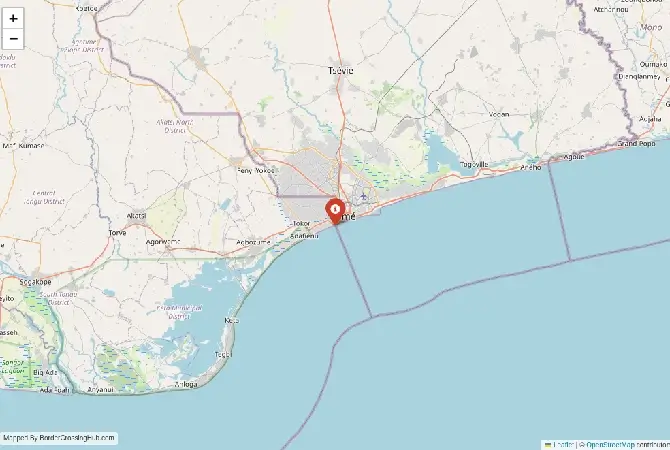
Aflao sits in Ghana's Volta Region right at the edge of the border. Kodjoviakopé lies directly opposite in Togo, forming the main entry point near Lomé. The actual crossing involves a short walk across a defined zone, often less than one kilometer in total. From Accra, shared taxis or buses reach Aflao in ## About three to four hours along the main coastal road. Once cleared into Togo, you arrive quickly into the busy streets of Lomé. The area around the border mixes urban sprawl with market activity and sees constant movement of people and goods.
Historical Background
This border has deep roots in the colonial division of the Ewe people, whose traditional lands were split between British and French territories. After independence, the line became a formal international boundary yet local communities continued crossing for family, trade, and daily life.
Nearby Border Crossings


In the 1980s the crossing gained attention during the "Ghana Must Go" expulsions from Nigeria, when many returnees funneled through Aflao on their way home. Over the decades it evolved into the primary official customs point for road traffic between the two countries. Trade in goods like textiles, fish, and agricultural produce has always flowed strongly here, supporting local economies on both sides.
Crossing Procedures
You manage exit formalities on one side before completing entry on the other. From Ghana to Togo, you clear Ghanaian immigration and customs at Aflao, walk the short connecting area, then handle Togolese procedures at Kodjoviakopé. The steps reverse when traveling the other direction.
Foreign visitors need a valid passport. Visa rules depend on nationality. Ghana offers visa-free entry or simplified access to many African passport holders since early 2025, while Togo typically requires visas for non-ECOWAS citizens, available on arrival at the border for many nationalities. Yellow fever vaccination proof gets checked on both sides. Officials stamp passports, may inspect bags, and ask basic travel questions. Have small amounts of cedis or CFA francs ready for any minor official fees.
The process uses separate facilities on each side. Keep documents organized and ready at every stop.
Wait Times and Seasonal Factors
Total time at the border often falls between 30 minutes and two hours, though it stretches longer during peak periods. Early morning crossings usually move faster before trader traffic builds up. Afternoons and weekends see heavier crowds from locals and small-scale traders.
Rainy season from around May to October can slow approach roads with occasional flooding, which indirectly lengthens queues. Dry months bring steadier conditions but add heat and dust. Multiple checkpoints near the border add repeated document reviews that accumulate time. Some travelers clear everything in under an hour when arriving early, while others report longer waits due to bus groups or commercial vehicles. Always plan extra buffer if you have tight onward schedules.
Transportation Options
Shared taxis, minibuses, and larger buses run frequently from Accra to Aflao for affordable fares and take roughly three to four hours. The coastal road includes mostly paved sections with some traffic near towns. Buses often drop passengers before the border, requiring you to walk or take a short local ride to immigration.
On the Togolese side, shared taxis and motos wait right after Kodjoviakopé to carry you into central Lomé in 10 to 20 minutes. Motorcycle taxis sometimes help cover the immediate border stretch for a small fee. Road conditions on both sides stay reasonable along this corridor, though heavy truck traffic can cause slowdowns. Many people complete the full Accra to Lomé journey in one day when starting early.
Scams & Warnings
This crossing has a long record of attempts to extract extra money from travelers. Money changers near Aflao sometimes suggest wrapping foreign currency in local notes to avoid supposed scanners, which turns out to be a setup to steal your cash. Touts offer to handle visas or speed up procedures for fees that far exceed official rates.
On the Togo side, reports mention officers demanding inflated "clearance fees" or claiming commercial vehicles need special payments. Travelers describe long negotiations where officials threaten delays until extra cash appears. Unofficial helpers may approach with stories ## About needing money for medical issues or other emergencies.
Stick to official immigration and customs buildings and deal only with uniformed staff. Decline all unsolicited assistance. Change money in proper banks or established spots in Aflao or Lomé rather than at the border. Keep valuables secure, travel in daylight when possible, and avoid showing large amounts of cash. Ask calmly for receipts or clarification if any payment demand seems irregular. Staying firm and patient helps you avoid most common traps.
Nearby Attractions and Local Life
Aflao functions as a lively border town with busy markets, basic hotels, and food stalls catering to travelers and traders. You find fresh produce, street food, and small shops right near the crossing. Kodjoviakopé blends quickly into Lomé's urban energy, where the famous Grand Marché and beach areas lie a short ride away.
The border zone itself pulses with daily cross-border trade carried on heads or pushcarts. Most visitors treat it as a transit point, but the vibrant local atmosphere offers a genuine slice of West African border life with its mix of languages, currencies, and goods.
Practical Travel Tips
Prepare documents ahead: passport with sufficient validity, yellow fever card, and any required visa or proof of onward travel. Carry small-denomination Ghanaian cedis and CFA francs for transport and possible fees. Dress simply and remain patient through the sequence of checks.
Research current road conditions and transport schedules before departure, as traffic or weather can affect timing. Travel during daylight hours to avoid complications after dark. If using your own vehicle, confirm all necessary papers and insurance for both countries. Bring water and snacks since waits or minor delays can extend your day.
Groups sometimes share taxis for better rates and added safety. Check official embassy or government sources for the latest entry rules, which can shift. During election periods or other sensitive times, borders may close or add extra security measures without much notice.
Planning Your Crossing
The Aflao-Kodjoviakopé border remains the main connection between Ghana and Togo, handling heavy daily flows of people and trade. Allocate enough time, verify visa and entry details from official channels shortly before you travel, and interact directly with staff at every step.
Thousands cross here regularly for business, family visits, and tourism. Your own passage depends on arrival time, crowd levels, and how you handle the procedures. Review conditions close to your trip date because security steps or infrastructure work can introduce short-term changes. With careful preparation, you clear the formalities and continue your journey along the busy coastal route between Accra and Lomé.
View all border crossings between Ghana and TogoPractical information
Fuel
Ghana: <1 km - Togo: <1 km
Currency
GHS,XOF exchangers
Safety information
High traffic, managed
Connectivity
Urban roads,taxis
Have you crossed here?
Help other travelers by sharing your experience, wait times, and any updates.