
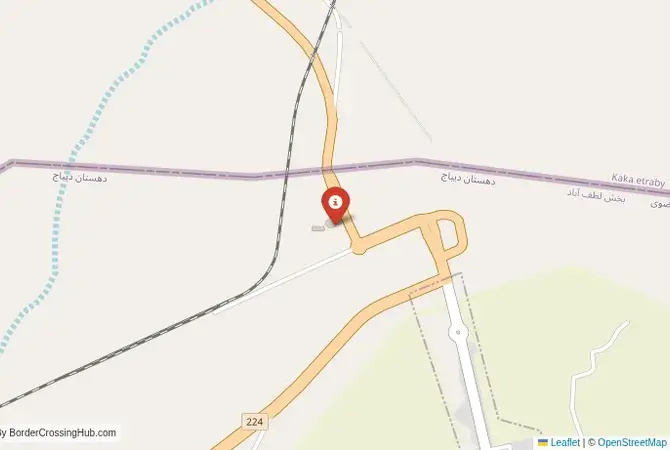
Approximate Border Location
Border Countries
- 🇮🇷Iran
- 🇹🇲Turkmenistan
Border Cities
- 🇹🇲Artyk
- 🇮🇷Lotfabad
Wait Times
15–60 min
Just crossed? Tap to report:
Operating Hours
Open 6:00 AM–10:00 PM
Crossing Types
Pedestrians, vehicles
Border Type
Land crossing via road
Peak Times
Morning hours
Daily Crossings
1,000–2,000 daily
Safety Information
Low traffic
Languages Spoken
Persian/Turkmen
Accessibility Features
Ramps, assistance
About Artyk & Lotfabad
Monthly Update (June 2026):
During June 2026, the Artyk & Lotfabad Border Crossing has stayed mostly stable, with light traffic and few long delays. Trucks take a little longer to clear than passenger vehicles, particularly later in the day. Summer temperatures and changes in cargo movement can bring some variation.
A Quiet Crossing to Central Asia
Caution: The Lotfabad–Artyk border crossing, a key link to Turkmenistan, has pushy helpers charging high fees for fake services. Avoid unofficial fixers and stick to trusted transport to dodge scams. Connecting Iran’s Lotfabad in Khorasan Razavi to Turkmenistan’s Artyk, this crossing offers a less hectic route from Mashhad to Ashgabat, set against the stunning Kopet Dag mountains.
Historical and Geopolitical Context
Shaped by the 1869 Atrek River agreement, this crossing along the 1,148-km Iran-Turkmenistan border became vital post-Russian conquest of Central Asia. Reopened in 2020 after COVID closures, it saw continued export growth by 2025, with extended hours agreed in January 2025 to boost trade. Turkmenistan’s strict visa policies and Iran’s role in the North-South Transport Corridor make it significant, though non-contact cargo swaps persist due to lingering restrictions. Its proximity to Ashgabat (40 km) adds strategic weight, supporting regional trade initiatives.
Crossing Procedures and Wait Times
From Iran to Turkmenistan, you need a passport valid for six months and a Turkmen visa ($50, applied for in Tehran or Mashhad’s consulate). From Turkmenistan to Iran, most nationalities get a 30-day visa on arrival ($60, payable in dollars). Pedestrian crossings require a mandatory 2-km shuttle (3 manat, approximately $1), as walking is prohibited. The border operates 8:00 AM to 3:00 PM, extended in 2025, but closes partially on Thursdays and Fridays (Iranian weekend). Expect 1-2 hours for pedestrians, 2-3 hours for vehicles due to customs, X-ray checks, and vehicle disinfection. Avoid weekends to minimize delays, as processing slows.
Signal can be a coin toss at borders, and the last thing you want is to be stuck at the gate hunting for info. We’ve pulled all our research for this region into one simple eBook that works 100% offline. It keeps everything you need in one spot so you can stay focused on the trip. Grab the guide here.
Routes and Road Conditions
From Mashhad, shared taxis from Iran Khodro stoyanka to Lotfabad (4 hours, 15 manat, approximately $4) pass flat plains and sparse villages. From Ashgabat, taxis to Artyk (40 km, 15 manat) are quick but scarce; book early. The road is paved, with Iran’s side smoother and Turkmenistan’s bumpier near Kaka, especially after rain. Iran’s side has basic shops for snacks; Turkmenistan’s side has disinfection stations and strict searches. The Trans-Caspian Railway runs nearby, with trains to Kaka (5:00 AM from Mary, $5). Expect scenic mountain views but watch for truck congestion.
Practical Tips for Travelers
Beware of helpers charging $50 for fake carnet stamps; don’t hand over documents. Exchange rials to dollars in Mashhad, as border rates are poor (7:1 USD black market). No ATMs exist, so bring cash (dollars or manat). Theft is rare, but secure bags during searches. Carry a passport copy, Turkmen visa, and an English medication list, as officials may question prescriptions. Restrooms cost $0.50, and food is scarce, so pack snacks and water. Avoid Thursdays and Fridays, when the border is half-closed. Cameras and laptops are allowed despite rumors, but declare them.
Cultural and Economic Role
The crossing supports growing trade, with Iran’s exports surging in 2025, including construction materials and food. Persian and Turkmen cultures mix in Dargaz’s markets, offering kebabs and plov. Turkmenistan’s strict policies limit tourism, but Iran’s visa-on-arrival draws adventurers. The Lotfabad terminal leads Iran’s inbound transit, handling millions of tons yearly via the North-South Corridor. Its role strengthens Central Asian ties, though Turkmenistan’s isolationism caps potential, requiring careful planning for travelers.
Nearby Attractions to Explore
In Iran, Dargaz (30 minutes) has local markets and historic tombs, while Mashhad (4 hours) offers the Imam Reza Shrine and vibrant bazaars. In Turkmenistan, Ashgabat (40 km) boasts marble monuments, the Turkmenbashi Mosque, and the Neutrality Arch. Kaka (30 km) has small bazaars and desert views. The Kopet Dag mountains offer hiking, but permits are needed in Turkmenistan. These spots blend cultural and natural appeal, though Turkmenistan’s visa rules demand advance planning.
Seasonal and Weather Impacts
The dry season (May to September) brings 35°C heat, with faster crossings but crowded queues. Winter (October to April) sees 5-15°C and rare snow, slowing roads, especially on Turkmenistan’s side. Holidays like Nowruz increase traffic, extending waits to 4 hours. Check for closures due to Turkmenistan’s strict policies or customs disputes. Early morning crossings (8:00 AM Iran time) avoid heat and delays, ensuring smoother transit on weekdays.
Planning Your Journey
Arrive by 8:00 AM to beat crowds and customs delays. Carry US dollars, a valid passport, and Turkmen visa. Book taxis from Mashhad’s Iran Khodro stoyanka or Ashgabat’s Awtokombinat, confirming fares (15 manat). Check border status online, as weekend closures occur. Spend a night in Mashhad for the Imam Reza Shrine or Ashgabat for modern landmarks like the Neutrality Arch, enriching your trip. Avoid late arrivals, as transport to Dargaz or Kaka dwindles after 3:00 PM.
No reviews yet.