
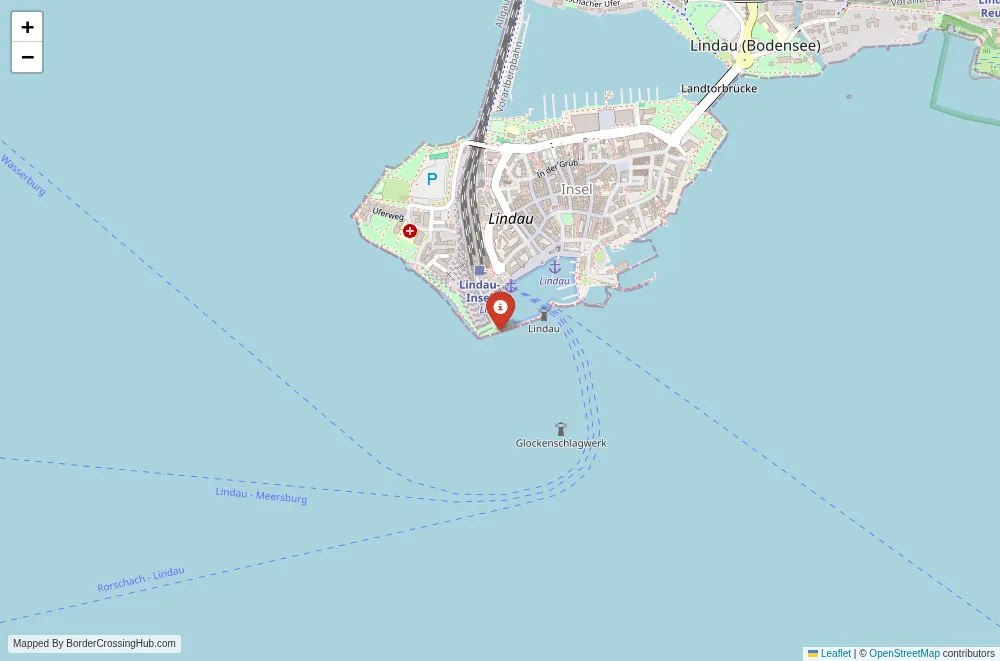
Approximate Border Location
Border Countries
- 🇨🇭Switzerland
- 🇩🇪Germany
Border Cities
- 🇨🇭St. Margrethen
- 🇩🇪Lindau
Wait Times
Cars 0-20m; peaks 30-120m at controls
Just crossed? Tap to report:
Operating Hours
Open 24 hrs (12:00 AM-11:59 PM)
Crossing Types
Cars,buses,trucks; customs for goods
Border Type
Land crossing via motorway (A1/A14)
Peak Times
Fri-Sun 09:00 AM-01:00 PM; holidays
Daily Crossings
15,000-50,000/day
Safety Information
Traffic at junctions; spot checks possible
Languages Spoken
German
Accessibility Features
Accessible facilities vary by post
About St. Margrethen & Lindau
Monthly Update (May 2026):
Throughout May 2026, the St. Margrethen & Lindau Border Crossing has been ticking along nicely. You might find the Swiss side stretches the wait for commercial vehicles, while passenger cars usually find a mostly stable flow. It stays predictable, unless a spike in motorway traffic on a Friday afternoon makes the lanes stack up.
Location and Connections
You reach this crossing where St. Margrethen in Switzerland meets Lindau (specifically the mainland Lindau-Reutin area) in Bavaria, Germany. The main road link follows Swiss Route 13 (or local roads) from St. Margrethen toward Lindau, with the border near the transition to German routes like the B12. St. Margrethen lies about 15 minutes east of St. Gallen or 45 minutes from Zurich by train or car. On the German side, Lindau island sits a short drive or walk away, with connections to Munich (about 2 hours) or Bregenz in Austria nearby. Rail services run frequently: the S7 (St. Gallen S-Bahn) connects St. Margrethen to Lindau-Reutin or Lindau-Insel stations, often over Austrian territory briefly (Vorarlberg Railway line). Buses, ferries across Lake Constance, and cycling paths along the shore supplement options. The area forms part of the Lake Constance tripoint zone (Switzerland, Germany, Austria), drawing visitors to Lindau’s historic island, harbor, and lighthouse.
Alternative Names
It goes by St. Margrethen-Lindau border crossing, St. Margrethen-Lindau-Reutin Grenzübergang, or the Hochrhein/Bodensee crossings near St. Margrethen.
Historical Background
The border here traces medieval trade routes along the High Rhine and Lake Constance, with the line fixed in the 19th century after Napoleonic-era shifts. St. Margrethen grew as a Swiss customs and rail hub, while Lindau developed as a Bavarian lake port. The rail link (St. Margrethen–Lauterach line) opened in the late 19th century, crossing briefly through Austria due to territorial quirks. Customs formalities lasted until Schengen in 2008 (Switzerland’s entry). The crossing reflects the lake’s role in regional commerce, with the nearby Lindau harbor once a key stop for goods and passengers. The area’s tripoint location adds geographic curiosity, though the exact lake border remains undemarcated in some maps.
Signal can be a coin toss at borders, and the last thing you want is to be stuck at the gate hunting for info. We’ve pulled all our research for this region into one simple eBook that works 100% offline. It keeps everything you need in one spot so you can stay focused on the trip. Grab the guide here.
Geopolitical Context
Schengen since 2008 normally allows free passage with no routine checks for EU/Swiss citizens and visa-exempt travelers. Germany maintains temporary internal border controls due to migration, smuggling, and security. As of February 10, 2026, these extend at least through March 15, 2026, with Bundespolizei random spot inspections at land borders, including Switzerland crossings like St. Margrethen-Lindau. Switzerland occasionally boosts checks for security or traffic, but no widespread temporary controls apply here. Spot checks focus on irregular migration or goods; the crossing sees lighter enforcement than motorways. No permanent booths exist; controls are mobile or at select points. The border follows the Rhine/Lake Constance shore, with rail and road markers.
Practical Crossing Procedures
You drive, walk, cycle, or ride the train across roads, paths, or rail with border markers or signs. On roads, proceed straight; pedestrians use sidewalks or lakefront paths. Temporary German measures may prompt random stops for ID checks, travel questions, or vehicle review. EU/Swiss citizens show passport or national ID. Non-EU nationals need valid passports, visas/Schengen entry if required, and proofs like accommodation. Carry vehicle insurance; Swiss motorway vignette needed if continuing on highways (local Lake Constance roads often vignette-free short distances). Rail passengers face rare onboard checks. Switzerland not in EU customs union means declare goods over allowances.
Typical Wait Times
Normal passage takes seconds to minutes. Random checks add variability: most clear quickly, but selected stops or peaks (tourist weekends, events) can cause 10 to 30 minute delays on roads or rail. Foot crossings or lake paths often face no waits. Rail services stay smooth.
Operating Hours
Roads, paths, rail, and ferries operate 24/7 year-round where applicable. Schengen removed fixed hours. Winter weather or rare events might slow access briefly, but crossings remain open.
Transportation Options and Road Conditions
Drive across local roads or bridges; regional trains connect St. Margrethen to Lindau-Reutin/Lindau-Insel frequently. Buses link the area, and Lake Constance ferries offer scenic alternatives. Roads provide good pavement with lakefront traffic; rail offers smooth rides. Scenery includes Lake Constance shores, islands, and alpine views. Watch for cyclists, boats, or seasonal crowds.
Scams and Warnings
Scams stay rare in this tourist-friendly lake border area. No common touts or fake services reported. Watch for parking fees or informal changers with poor rates. Carry ID for spot checks. The area feels safe and welcoming; drive attentively near the lake.
Nearby Attractions
St. Margrethen offers basic services and lake access. Lindau features the island old town, harbor, lighthouse, and lion statue. Lake Constance boat trips, cycling paths, and nearby Bregenz (Austria) add opera festival vibes. The region includes Mainau flower island and cross-border trails. It suits lake activities, historic towns, or tripoint exploration.
Seasonal Variations and Weather Impacts
Winter brings snow; roads clear quickly but lake ferries reduce. Summer sees crowds and clear weather. Autumn offers mild days and foliage. Rain can slick paths, but closures stay rare.
Travel Tips and Preparation
Carry passport/ID for spot checks. Use cross-border transport apps. Pack layers for lake weather. Check police sites for control updates. Enjoy the lake’s seamless feel.
Cultural and Economic Significance
The crossing supports tourism and daily life around Lake Constance, linking Swiss, German, and Austrian shores. Shared lake heritage in boating, cycling, and festivals thrives on open borders.
Before You Cross
Verify spot check status and traffic from official sources near your travel date. With prep for rare stops and relaxed pace, you handle this lake-edge crossing and discover the Bodensee region’s charm on both sides. Safe travels.
No reviews yet.