Monthly Update (September 2026):
Melloula & Oum Teboul remains the principal Algeria-Tunisia road crossing in the northern coastal corridor. There is no significant September closure or new passenger restriction to report. The crossing remains useful for travelers following the Mediterranean route between eastern Algeria and northwestern Tunisia, although traffic can increase during the summer holiday period and around weekends.
About this crossing
A History on a Numidian and Roman Frontier
The history of this border is the history of the ancient kingdom of Numidia and the Roman province of Africa. The region is rich in archaeological sites, including the magnificent Roman ruins at Bulla Regia and Chemtou in Tunisia, and Hippo Regius (the home of St. Augustine) in Annaba, Algeria. The border is a legacy of the Ottoman and French colonial periods, a line drawn through a region with a shared Berber and Arab heritage. In the post-independence era, the relationship between Algeria and Tunisia has been generally stable and cooperative. The Oum Teboul-Melloula crossing has been a symbol of this friendship, a key point of connection for the millions of Algerians who travel to Tunisia for their summer holidays, making them the largest single group of tourists in the country. The border facilities have been modernized to handle this huge seasonal influx of traffic, and it stands today as a testament to the peaceful and mutually beneficial relationship between the two nations.
The Border Crossing Procedure: A Formal and Organized Process
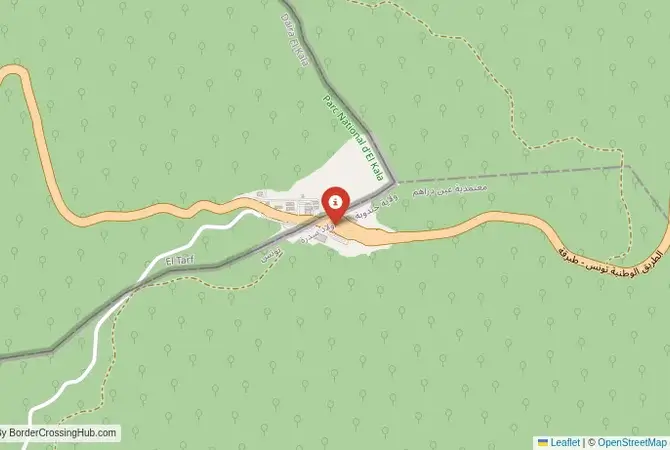
The border is open 24 hours a day. The process is formal and well-organized, but it can be very slow and crowded, especially during the summer holiday season (June to August) when there are massive queues of Algerian holidaymakers. You must have the correct visas if your nationality requires them. Exiting Algeria (Oum Teboul): You will arrive at the large Algerian border post. You will first go to the police post to get your passport stamped for exit. If you are in a vehicle, you will then need to go to the customs office to have your vehicle's temporary import permit processed for exit. This can be a slow, bureaucratic process. The No-Man's-Land: After clearing the Algerian side, you will drive a short distance through a scenic, forested no-man's-land to the Tunisian side. Entering Tunisia (Melloula): You will arrive at the large and modern Tunisian border post. You will go to the immigration hall. For most nationalities, Tunisia offers visa-free entry. The officer will check your passport and provide an entry stamp. After immigration, you will proceed to the customs office. If you are in a vehicle, you will need to get a temporary import permit. The customs check for luggage is usually a brief formality for tourists. The Tunisian officials are known for being professional and efficient.
Nearby Border Crossings

Route, Onward Travel, and The Coral Coast
This crossing is on the main coastal highway. On the Algerian side, the road connects to the city of El Kala (with its beautiful national park) and the major port city of Annaba. On the Tunisian side, the road from the border leads directly to the beautiful coastal town of Tabarka. Tabarka is a major resort town, famous for its Genoese fort, its unique, needle-like rock formations ("Les Aiguilles"), and its annual jazz festival. From Tabarka, the main highway continues east along the beautiful "Coral Coast" to the cities of Bizerte and the capital, Tunis. For those without a car, there are shared taxis (louages) and bus services that run to the border from both sides. You would need to take a taxi to the Algerian border, walk across, and then take another taxi from the Tunisian border to Tabarka, from where you can get onward transport to the rest of Tunisia. The journey is a beautiful one, through some of the greenest and most scenic landscapes in North Africa.
Final Planning Advice for the Coastal Route
The Oum Teboul-Melloula crossing is a modern, busy, and stunningly beautiful border. It is the main and best gateway for overland travel between Algeria and Tunisia. The key to a successful crossing is to be prepared for long queues, especially during the summer. Have all your documents in order, especially your vehicle papers if you are driving. Taking a direct international bus is a very convenient and hassle-free option. This crossing is a journey into the historical and agricultural heartland of the Maghreb. It is a border that offers a direct passage into a land of immense archaeological wealth and a perfect starting point for exploring the magnificent legacy of the Roman Empire in North Africa.
View all border crossings between Algeria and TunisiaPractical information
Fuel
Algeria: <1 km - Tunisia: <1 km
Currency
Limited near Oum Teboul (DZD, TND)
Safety information
Generally safe, remote risks
Connectivity
Limited Wi-Fi, 3G
Have you crossed here?
Help other travelers by sharing your experience, wait times, and any updates.