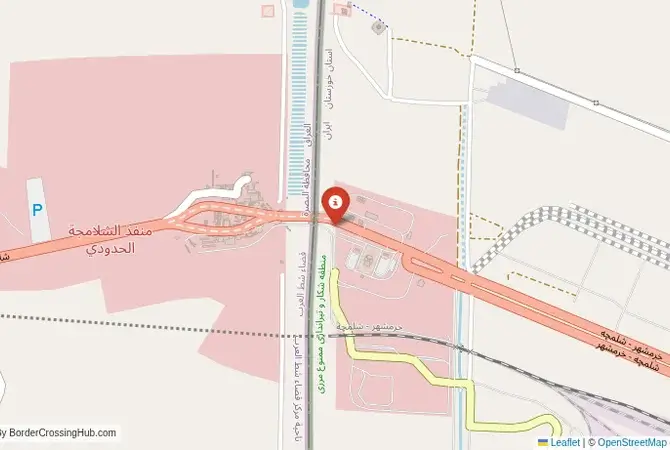
Monthly Update (September 2026):
Al Faw/Basra & Shalamcheh has returned to normal passenger movement after a temporary closure following airstrikes near the Iranian side of the crossing. Iraqi security sources reported on September 4 that passenger traffic had resumed normally, although the incident had highlighted the security sensitivity of this corridor. Shalamcheh remains an important route for food imports from Iran into southern Iraq, so commercial traffic is also significant. Travelers should still check the latest security situation before using the crossing because conditions in the Iran-Iraq border area can change quickly.
About this crossing
Historical and Geopolitical Context
The Iran-Iraq border, formalized by the 1639 Treaty of Zuhab, spans 1,599 kilometers, with disputes over the Shatt al-Arab waterway dating to the 1937 treaty. Shalamcheh was a major battleground during the Iran-Iraq War from 1980 to 1988, leaving scars visible in nearby memorials. Reopened in 2014 after decades of closure, it supports crossings, mostly pilgrims visiting Shia shrines. Primarily for Iranians and Iraqis, its accessibility for international travelers remains uncertain. In 2024-2025, trade resumed under health protocols, but restrictions persist. Ongoing security concerns, including militia activity, require checking border status with authorities. Railway development from Shalamcheh to Basra continues toward completion.
Crossing Procedures and Wait Times
Passports and visas are mandatory, with stringent checks at Iranian and Iraqi posts. Customs prohibit alcohol entirely and limit tobacco to 200 cigarettes, with thorough inspections. Pedestrians cross in 15 to 30 minutes, while vehicles take 30 to 60 minutes during peak hours, 8 to 10 AM and 3 to 5 PM. The border operates limited hours, typically 8 AM to 4 PM, with delays up to 2 hours during pilgrimage seasons like Arbaeen in September. Only limited trucks are permitted on specific days per Iraqi rules. Confirm hours and traveler eligibility with Iranian or Iraqi embassies to avoid complications.
Nearby Border Crossings

Routes and Transportation
From Shalamcheh, taxis or buses to Khorramshahr cost 3 dollars for 30 minutes, connecting to Basra in 1 hour for 5 to 10 dollars. No direct public transport crosses the border; arrange taxis at the checkpoint. From Basra, buses reach Baghdad in 6 hours for 15 dollars. The Shalmja railway, under development, may enhance links in the future. Roads are flat but dusty, offering views of marshlands and oil fields. Summer heat or winter floods can slow travel, so check conditions. Avoid unofficial taxis near Basra, as overcharges up to 20 dollars are reported for short trips.
Scams & Warnings
Always carry your passport and visa, as Iraqi officials closely inspect documents. Border money changers offer poor rates; use ATMs in Basra or Khorramshahr for Iraqi dinar or Iranian rial. Fake pilgrim guides may charge 10 dollars for shrine tours; book through official agencies in Basra. Pickpocketing is reported during pilgrimage seasons, especially Arbaeen. Avoid sharing personal details with unofficial agents to prevent scams. Check embassy travel advisories for updates on regional tensions and safety risks.
Cultural and Economic Significance
With significant daily crossings, the region thrives on pilgrimage and trade in dates, rice, and oil products. Arabic and Persian languages blend in markets, with Basra’s stalls selling kebabs and Shalamcheh’s offering halva and sweets. Arbaeen pilgrimages foster cultural unity across borders. Iranians buy Iraqi produce, while Iraqis seek Iranian fuel and textiles, driving local trade and economic ties.
Nearby Attractions
Basra’s Shatt al-Arab waterfront offers scenic walks and boat rides. Shalamcheh’s war memorials provide historical reflection. Visit Khorramshahr’s bazaar for spices and dates or Basra’s historic mosques for cultural insights into southern Iraq.
Seasonal and Weather Considerations
Summer, from June to August, brings 35 to 45 degrees Celsius, challenging for pedestrians and outdoor travel. Winter, December to February, sees 10 to 20 degrees Celsius with occasional floods. Spring and fall offer 20 to 30 degrees Celsius, ideal for crossing. Check forecasts for dust storms or flooding, which can disrupt plans.
Planning Recommendations
Cross early to avoid delays and carry Iraqi dinar or Iranian rial for convenience. Book taxis through Basra or Khorramshahr agencies for reliability. Check border status for operating hours and restrictions, especially during Arbaeen or security alerts. Visit Basra’s tourist office for shrine guides, maps, or festival details. Pack sunscreen for summer or rain gear for winter to handle the region’s extremes. With preparation, this crossing connects you to the cultural and historical depth of the Persian Gulf borderlands.
View all border crossings between Iran and IraqPractical information
Fuel
Iran: 500 m - Iraq: 500 m
Currency
Exchange nearby; IRR, IQD
Safety information
Security checks common
Connectivity
Wi-Fi, 4G/5G
Have you crossed here?
Help other travelers by sharing your experience, wait times, and any updates.